
What is gum disease?
Gum disease or periodontal disease is a chronic inflammation and infection of the gums that destroys the supporting bone and tissue around your teeth. It is the major cause of adult tooth loss, bad breath, and affects three out of four people after the age of 35. It provides a direct path for bacteria to enter your blood stream on a daily basis.
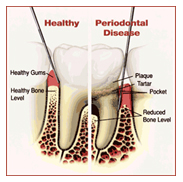
What causes gum disease throughout the mouth?
The most common causes are an over abundance of bacteria in the mouth, a weak immune system, a diet low in nutrients, a medical condition, and in some cases a wide variety of synthetic medicine. Our Healthy Heart Dentistry in St. Petersburg program will address each of these issues.
What do blood tests reveal about people with gum disease?
Blood TestGum disease can elevate the risk factors for heart disease and diabetes: cholesterol, hs-C-Reactive Protein (hs-CRP) and glucose levels. We screen for these before and after your periodontal treatment. If they are elevated after treatment there is a possibility of an underlying medical condition. Our goal is to make sure that your oral condition is NOT elevating these blood chemistries so your physician can make an accurate diagnosis. Heart attack, stroke, and diabetes are among the biggest heath issues we have today. Research shows that a 10% decrease in total cholesterol can reduce the incidence of heart disease by as much as 30%. Many times we see a decrease in cholesterol after periodontal treatment.

High sensitivity C-Reactive Protein (hs-CRP) can become elevated when there is inflammation present such as inside your mouth or inside the blood vessels leading to your heart. This test can detect elevated hs-CRP on apparently healthy individuals that have no symptoms. Research shows that 50% of men and 64% of women that die suddenly from heart disease, had no previous symptoms, and have normal cholesterol. Therefore, leading medical centers use hs-CRP as one of the tests in determining your risk factor for heart disease. Many times we see a significant decrease in hs-CRP after periodontal treatment.
Research shows that glucose levels rise and are hard to control in diabetics if they have periodontal disease. Physicians can better determine the proper amount of medication when periodontal disease is not present. Occasionally blood glucose levels are significantly reduced after periodontal treatment.
What about my physician?
We encourage follow up care with your physician. Appropriate modification of risk factors (including high blood pressure, smoking, physical inactivity, obesity, and diet) is also necessary for stroke, heart attack, and diabetes prevention.
What are the warning signs of gum disease?
The dentist looks for red, swollen or tender gums that bleed easily when performing the dental exam, persistent bad breath, a frequent bad taste, and shifting teeth causing spacing or a change in the way teeth fit together when the patient bites. Inflammation is how the body fights infection. Many times patients have no discomfort with mild chronic infection until the disease has spread to a point where the tooth is unsalvageable and the health of the rest of the body is at risk. That’s why it is advised to get frequent dental exams and preventive dental cleanings.
What does periodontal treatment involve?
In most cases of gum disease the treatment involves cleaning under the gums. This is called scaling and root planning, which in many cases, can stop the need for painful and costly scalpel surgery. As adjuncts to treatment, university tested mouthwash, toothpaste, and pharmaceutical supplements have proven to be key elements in determining long term oral health.
How do you prevent gum disease?
As part of our service, we will design a personalized program of oral home care to meet your needs. We realize that most patients do not floss daily, so a proven and more effective user friendly program will be customized for you to follow.
Is maintenance important?
YES–The at home program we teach you along with a thorough dental cleaning and exam at 3-6 month intervals as determined by your dentist, will eliminate the possibility of periodontal disease affecting your overall health.